Wallpaper the Ceiling: The Fifth Wall Trend Australian Homes Are Finally Trying
The Biggest Blank Surface in Your House
Stand in the middle of any Australian living room and look up. That ceiling is very likely the largest single uninterrupted plane in the house — bigger than any wall, unbroken by doors, windows, power points or furniture — and it is almost certainly white.
Designers have started calling it the fifth wall, and treating it as one. It is the most interesting thing happening in Australian interiors right now, and it is happening slowly, because most people have never seen it done well and can't quite picture it.
Why Now
Three things converged.
Open plan reached its limits. Australian homes went open plan and then discovered that a single unbroken space is hard to make feel intimate. A papered ceiling over the dining zone defines that zone without building a wall.
Ceilings got taller. New builds and renovations pushed to 2.7m and beyond, and raked ceilings became common. More ceiling means more visual weight, and more white means more glare.
Made-to-measure printing arrived. This is the practical unlock. Ceilings are almost never a neat multiple of a roll width, and standard roll product creates seams in the most visible plane in the room. Panels printed to your exact ceiling dimensions solve the problem that made ceiling wallpaper a specialist job.
Where It Actually Works
Ceiling wallpaper is not a whole-house move. It works in specific rooms for specific reasons.
Powder rooms and small bathrooms. The single best place to start. A powder room is 3–5m², which makes it cheap, and it is a room people visit once and remember. Dark, dense, slightly theatrical patterns are perfect here — nobody spends long enough in a powder room for a bold ceiling to become tiring.
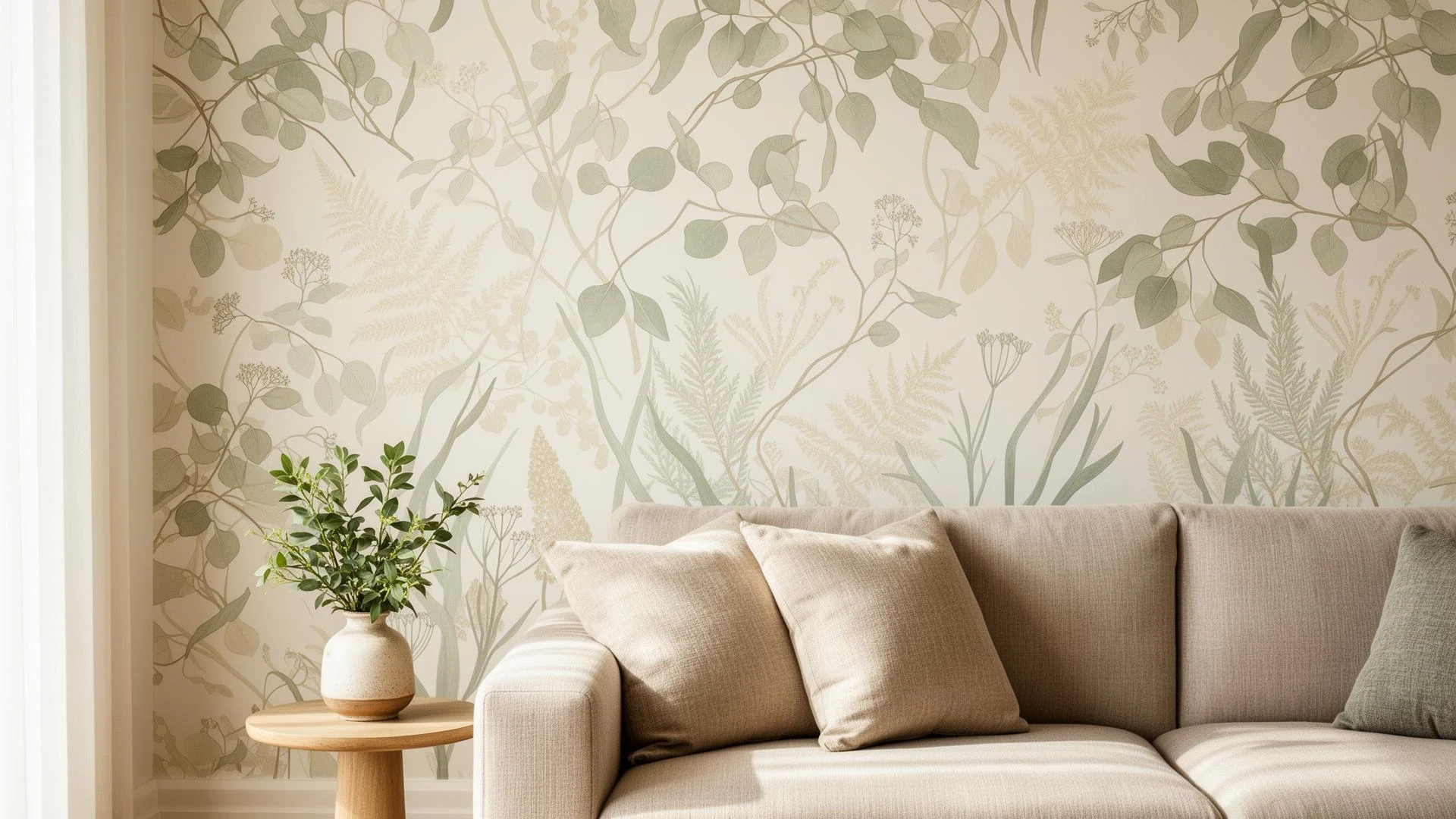
Bedrooms. A patterned ceiling is the one design decision you actually look at while lying in bed. Soft, low-contrast, organic patterns work; anything busy and high-contrast will keep you awake. This is where the fifth wall earns its keep.
Nurseries and kids' rooms. Obvious and delightful. A child in a cot spends a great deal of time looking straight up. See our nursery wallpaper guide for the safety and practicality side.
Dining zones and nooks. Papering only the ceiling above the dining table in an open-plan space is a genuinely sophisticated way to zone. It creates a canopy effect and pulls the table into its own room.
Entries, hallways and stair voids. Circulation spaces are transitional, so they can carry more drama than a room you sit in. A papered entry ceiling is the first thing a guest sees and the cheapest wow in the house.
Under stairs, alcoves and reading nooks. Small enclosed spaces where a papered ceiling makes the nook feel deliberately cocooned.
Where It Doesn't
- Ceilings with a lot of downlights, vents, speakers and sprinklers. Every penetration is a cut, and cuts in a ceiling are visible from every angle. Count them before you commit.
- Very low ceilings with a dark, heavy pattern. Below about 2.4m, a dark ceiling can genuinely feel oppressive.
- Bathrooms with poor extraction. Ceilings are exactly where steam collects. Read wallpaper in humid Australia first.
- Anywhere the ceiling is cracked, sagging or previously water-damaged. Fix the building first.
Getting the Design Right
The rules that govern wall patterns don't quite transfer, because you view a ceiling from below and usually from the middle of the room rather than square on.
Scale up, not down. Patterns that look correct at eye level often read as fussy overhead. Larger-scale designs generally work better on ceilings.
Watch directionality. A design with an obvious top and bottom will look right from one side of the room and upside down from the other. Non-directional, tossed or all-over patterns avoid this entirely. If you use a directional design, orient it to the primary viewing position — the head of the bed, the entry doorway.
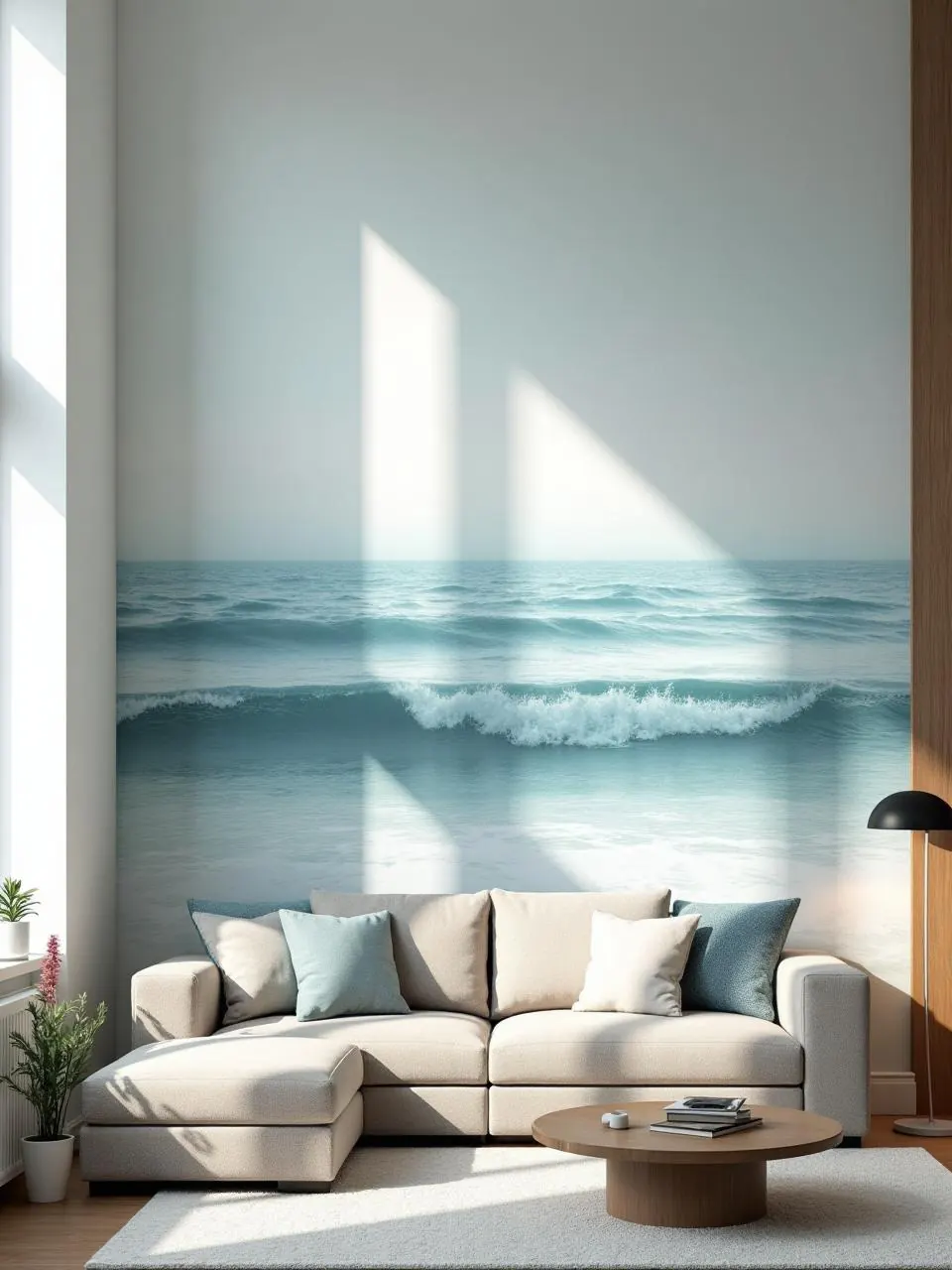
Consider a sky. Soft watercolour washes, clouded effects and gentle abstract gradients are the safest and most flattering ceiling designs, because they read as atmosphere rather than as pattern.
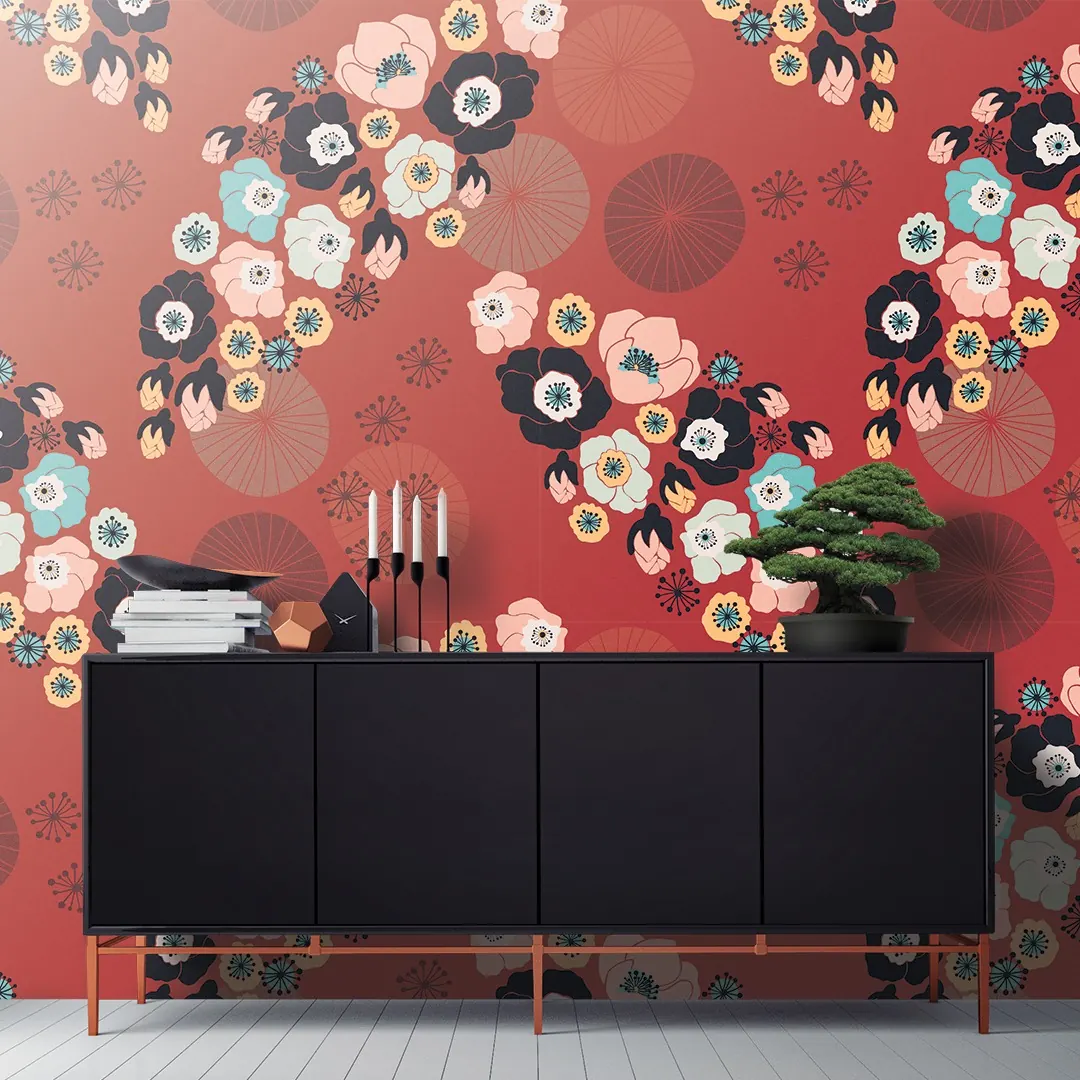
Or go the other way. Dense botanical, jungle and chinoiserie designs create a canopy. This is the powder-room move.
Mind the light. Dark ceilings absorb light. In a room with a single window you will want to compensate with lamps. In a bright north-facing room, a dark ceiling cuts glare beautifully.
The Three Ways to Combine Ceiling and Walls
Ceiling only, white walls. The cleanest and most modern approach. The ceiling becomes the sole event and the room stays calm.
Ceiling and one wall, matching. Wrapping a single pattern from a feature wall onto the ceiling above it creates a strong architectural gesture, especially over a bedhead or in an alcove.
Ceiling and cornice, walls in a drawn colour. The traditional decorator's move — paper the ceiling, then pick a mid-tone from the design and paint the walls in it. This is how a papered ceiling stops looking like an accident.
What almost never works is a busy ceiling above busy walls in an unrelated pattern. Pick one to lead.
The Practical Side
Ceiling installation is harder than wall installation, and there is no point pretending otherwise. Gravity is working against you the entire time, the paper wants to fall on itself, and you are working overhead on a ladder or trestles.
If you're doing it yourself:
- Two people, minimum. One supports and positions, one smooths.
- Trestles and a plank, not a ladder you keep repositioning. You need to move along the drop continuously.
- Start from the window and work back, so any overlaps face away from the main light source and cast no shadow line.
- Snap a chalk line for your first drop. Ceilings are rarely square to the walls, and if you start off the wall line, everything after it compounds.
- Cut around fittings last, with the power off, and let the paper sit slightly proud rather than cutting tight — you can always trim more.
- Do the ceiling before the walls if you're doing both.
Or don't do it yourself. This is the one application where we genuinely recommend a professional. Our installation partners do this regularly and the difference shows. Book an installation if it's a large or complex ceiling.
Measuring a Ceiling
Measure the ceiling as though it were a wall lying down — length by width — but be more careful than usual about squareness. Australian rooms, particularly in older homes, are rarely true rectangles. Measure at both ends and in the middle, and use the largest figure.
Add for any raked or coffered sections separately. Our measuring guide and wallpaper calculator will handle the rest, and made-to-measure panels mean you're not trying to make a 52cm roll fit a 3.4m room.
Try It Small First
If the whole idea feels like a leap, it should. Start with the powder room. It's the cheapest room in the house to paper, the most forgiving of a bold choice, and if you love it, you'll have a very clear sense of whether you want it in the bedroom.
Order a sample, tape it to the ceiling, and live with it for a week. The view from the sofa at night is the real test.
Explore trending designs or see what else is defining Australian interiors in our 2026 trend report.
Frequently Asked Questions
Explore Related Collections
Continue Reading
Top Wallpaper Trends for 2026: What's Hot in Australian Interior Design
Trends • 6 min read
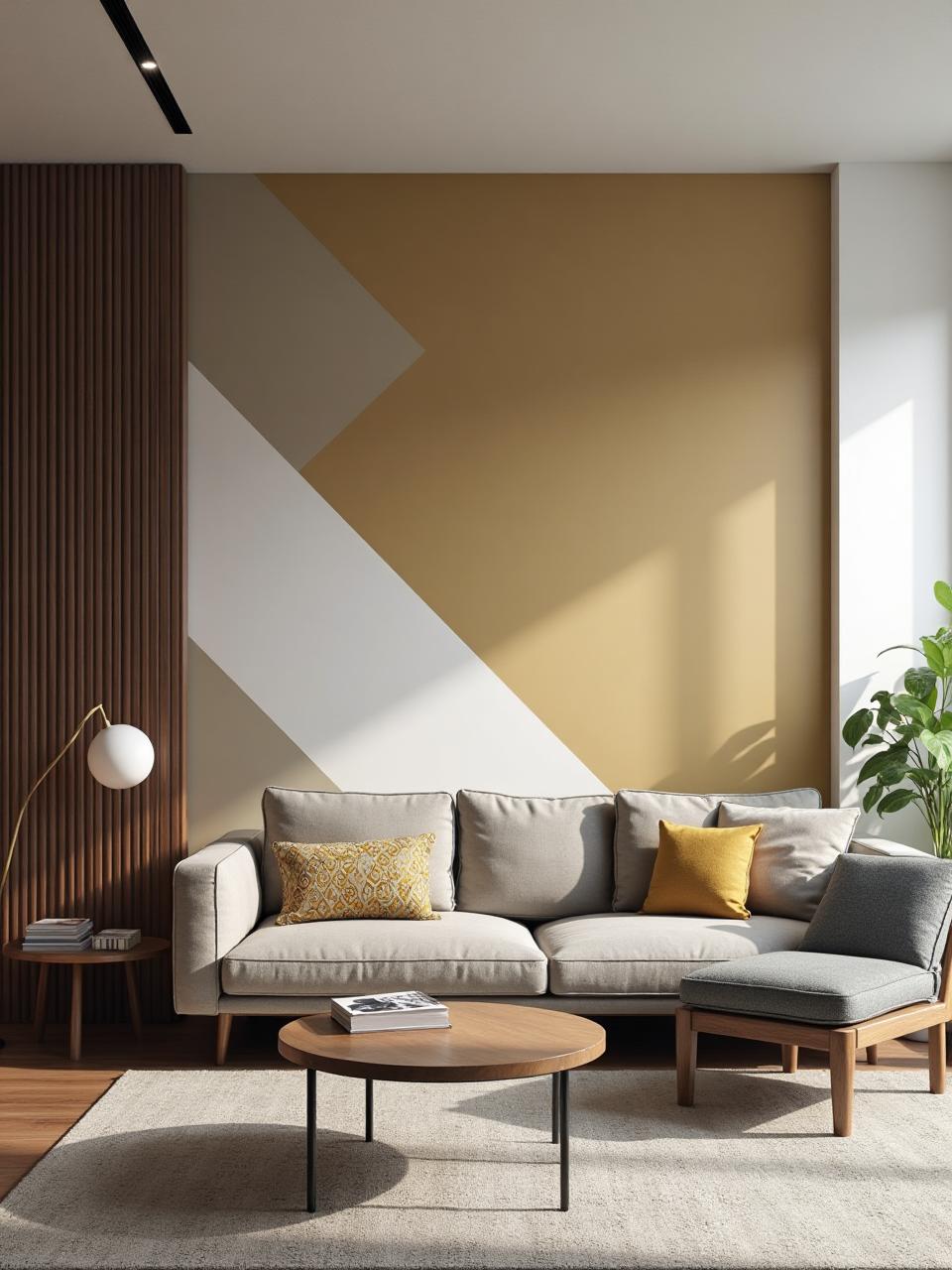
Mid-Century Modern Wallpaper: How to Nail the Retro Look in Your Australian Home
Trends • 6 min read
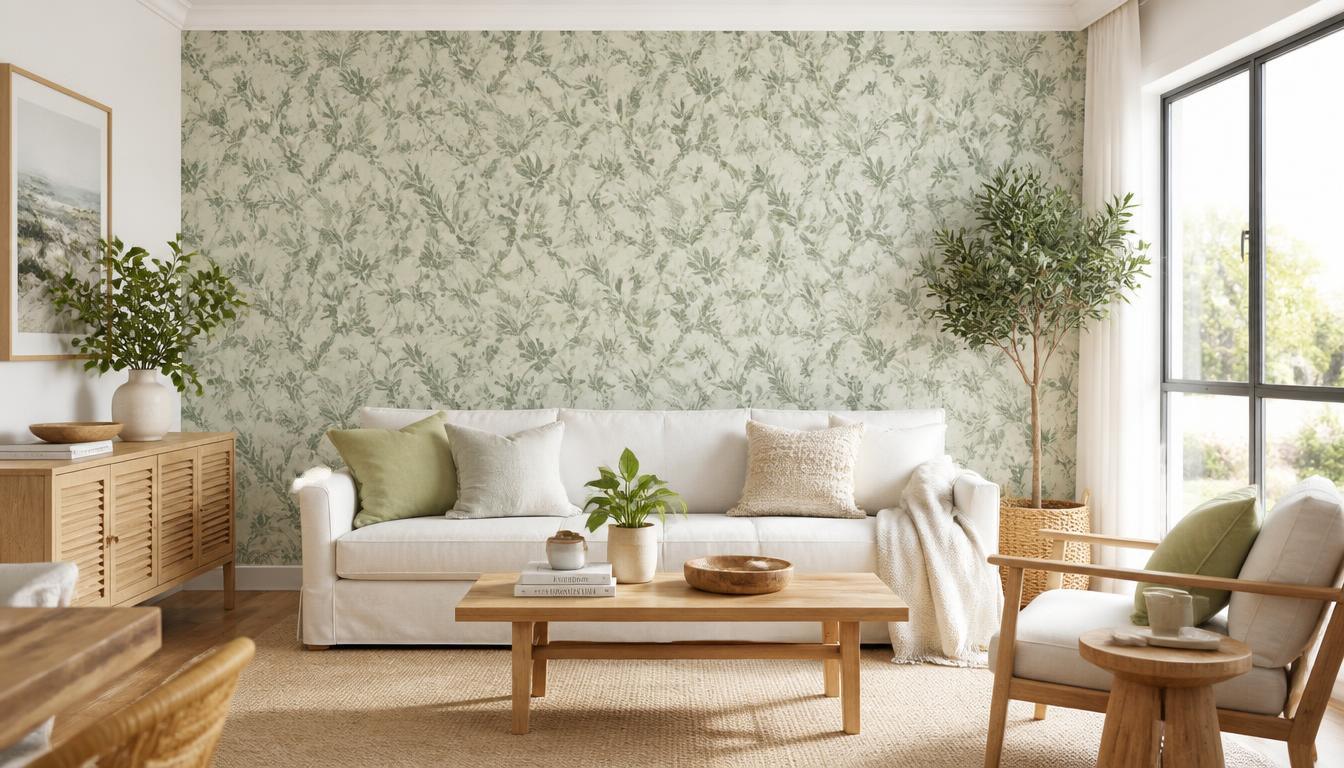
Spring Wallpaper Trends 2026: Australian Homes
Trends • 7 min read
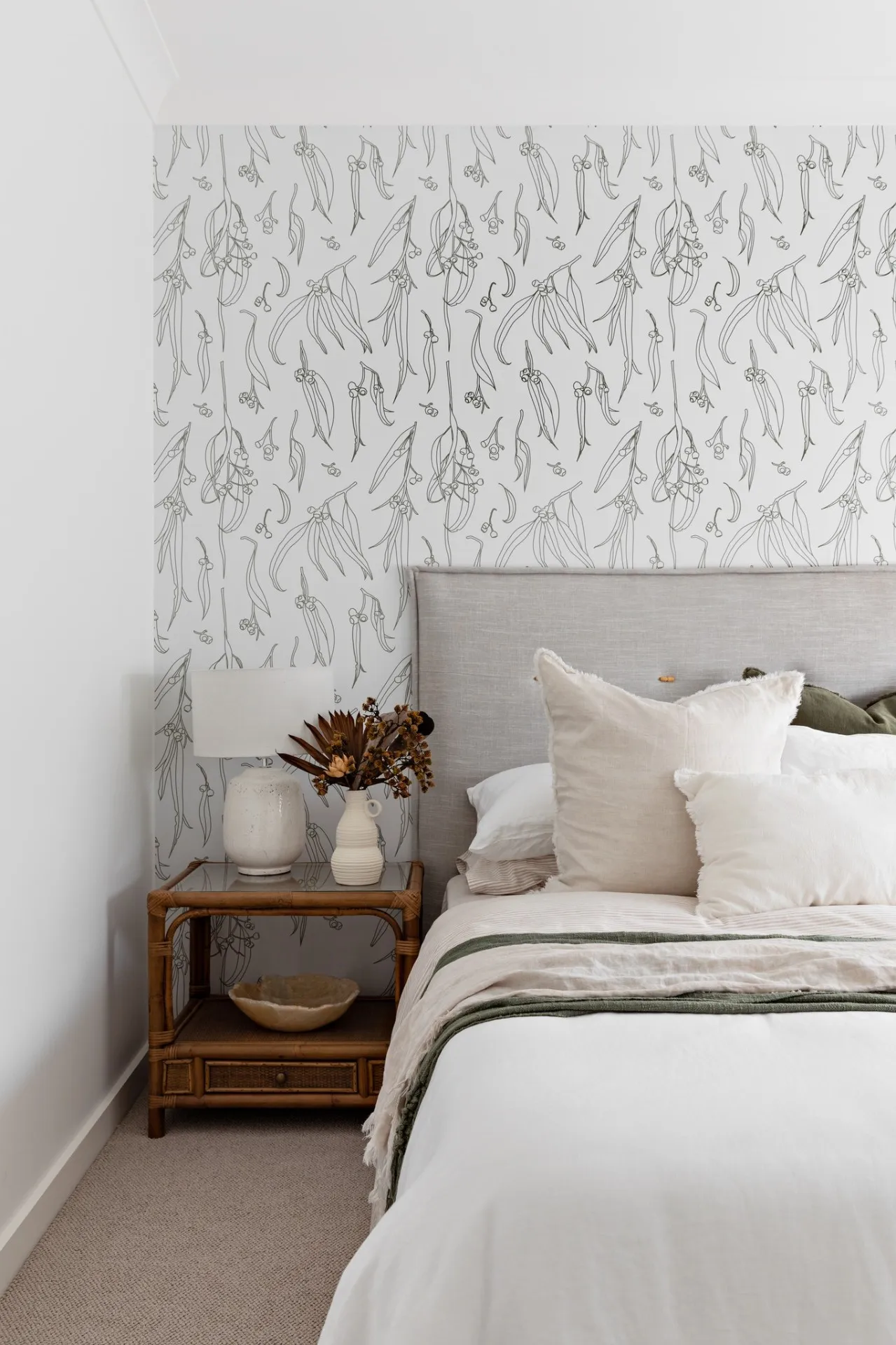
15 Bedroom Wallpaper Ideas That Australian Interior Designers Love
Inspiration • 9 min read