How to Choose Wallpaper for Small Spaces: The Ultimate Guide
How to Choose the Perfect Wallpaper for Small Spaces
Living in a compact home doesn't mean settling for plain walls. The right wallpaper can make a small room feel surprisingly spacious, deeply personal, and far more expensive than it actually is. Here's a detailed guide to getting it right.
Understanding Scale and Proportion
The single biggest mistake people make is choosing the wrong pattern scale for their space.
Small-Scale Patterns (Under 10cm Repeat):
- Create a textured, almost solid appearance from a distance
- Work beautifully on all four walls without overwhelming
- Perfect for bathrooms, laundries, and small bedrooms
- Examples: micro florals, fine geometric grids, subtle dots
Medium-Scale Patterns (10–30cm Repeat):
- The most versatile option for compact rooms
- Visible pattern interest without dominating
- Ideal for accent walls in small living rooms and bedrooms
- Examples: botanical sprigs, classic damask, trellis patterns
Large-Scale Patterns (Over 30cm Repeat):
- Use sparingly — one accent wall maximum
- Creates a dramatic focal point that draws attention away from the room's size
- Best when the design has plenty of negative space
- Examples: oversized florals, mural-style landscapes, abstract art
The Colour Rules That Actually Work
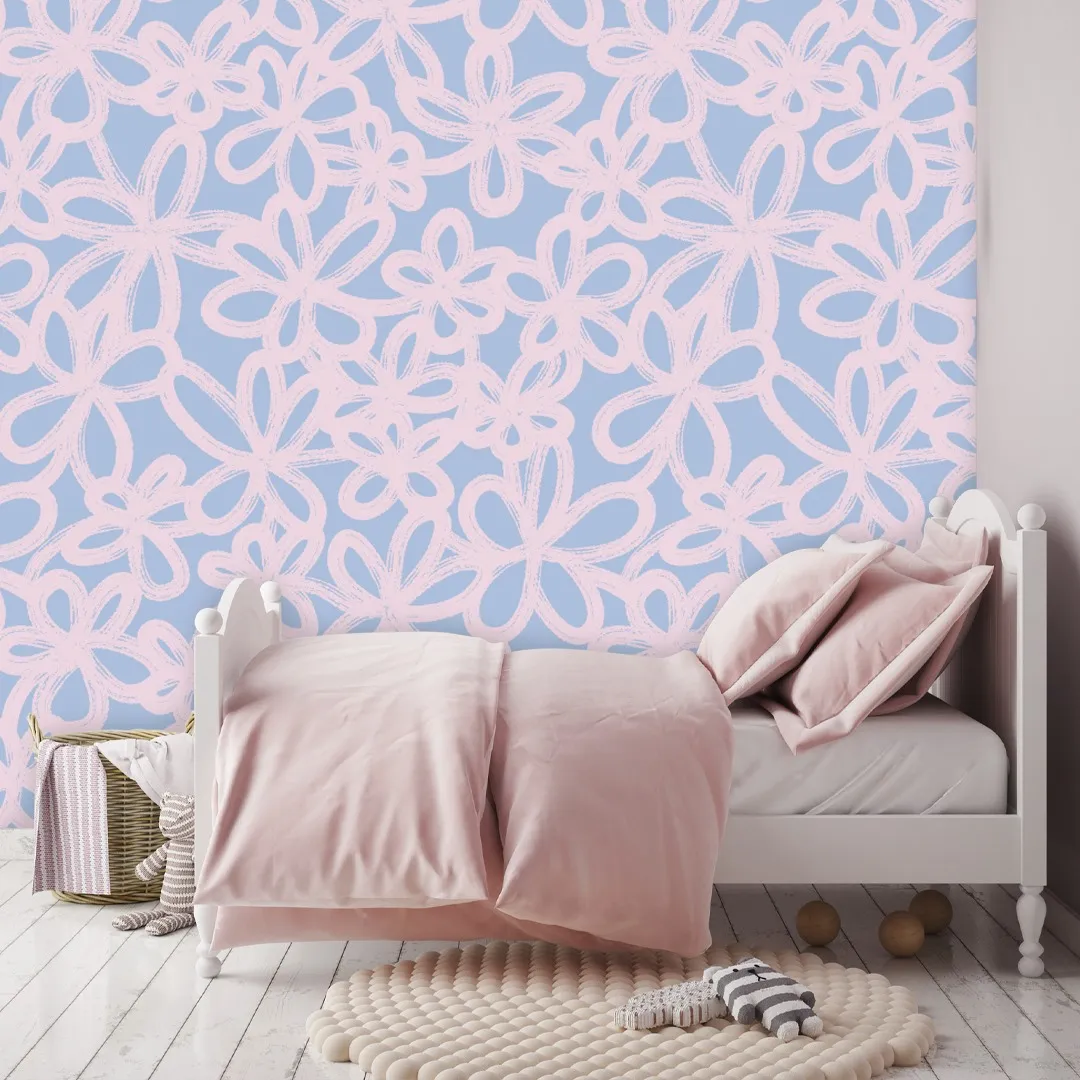
Go Light for Openness: Pale backgrounds reflect natural light and push walls outward visually. Soft whites, warm creams, pale sage, and dusty pink all work brilliantly.
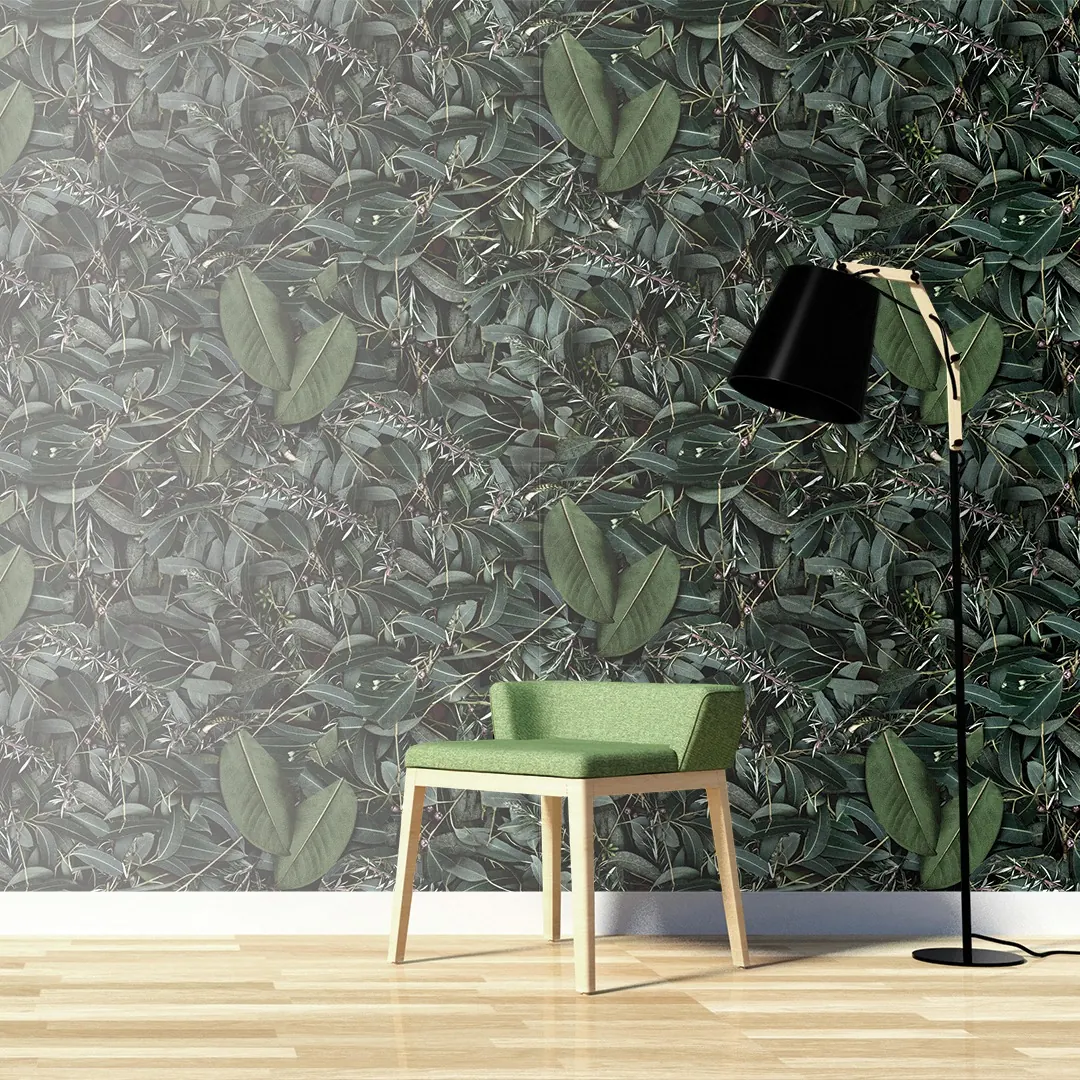
Go Dark for Depth: Counterintuitively, dark wallpaper can make a small room feel larger by blurring the boundaries of the space. Deep navy, forest green, and charcoal create a cocooning effect that tricks the eye.
Tone-on-Tone is Your Friend: Patterns where the design and background are close in shade add texture and sophistication without visual clutter. Think cream-on-white stripes or grey-on-grey botanicals.
Room-by-Room Recommendations
Small Bathrooms & Powder Rooms: Go bold. These rooms are small by design, so lean into it with statement patterns — tropical leaves, bold geometrics, or dramatic murals. You spend limited time here, so maximalism works.
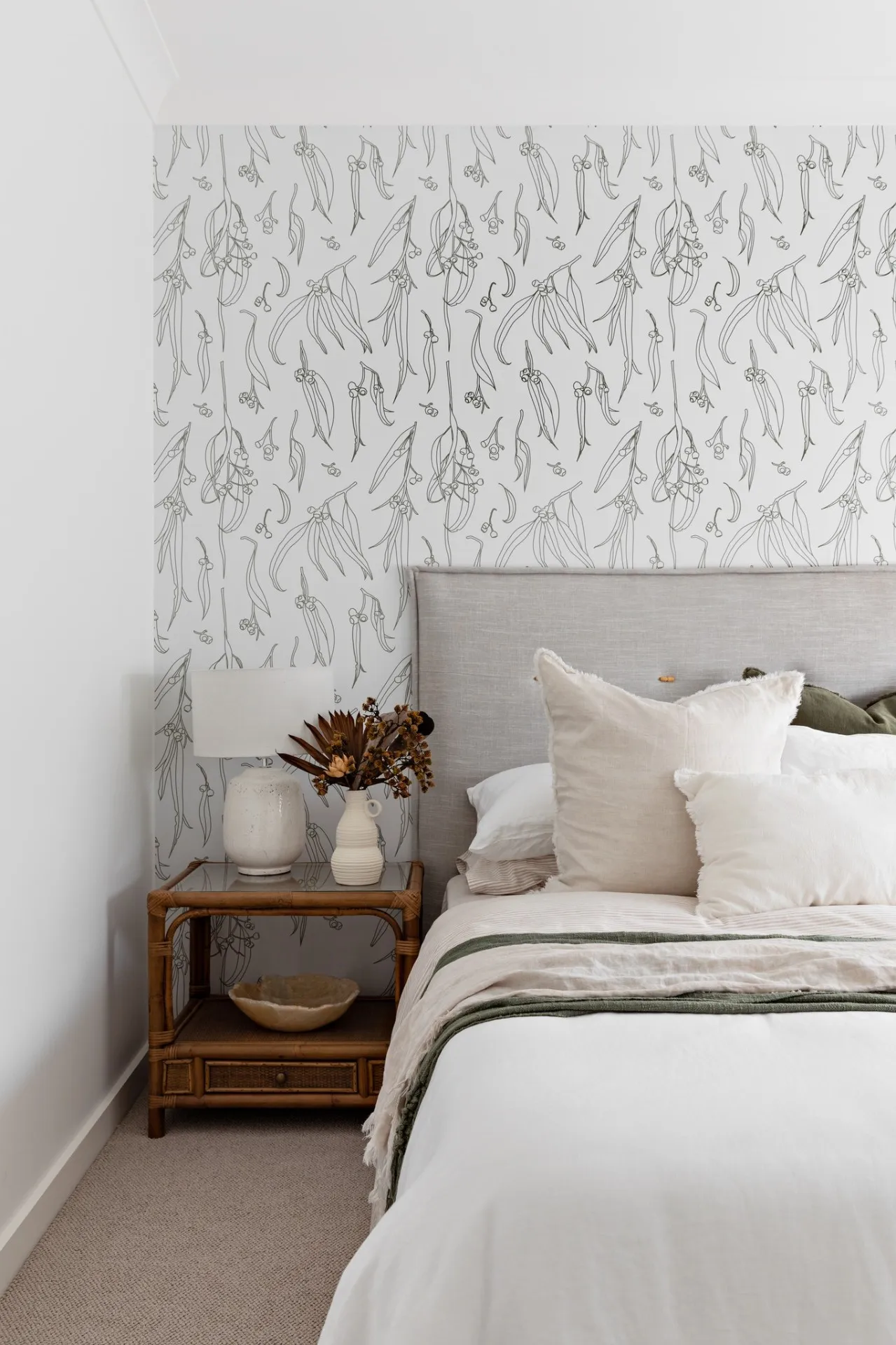
Compact Bedrooms: Prioritise calm. Soft botanicals, gentle textures, or watercolour effects behind the bedhead create a serene retreat. Avoid anything too stimulating on the wall you face while sleeping.
Narrow Hallways: Vertical stripes are the classic choice — they draw the eye upward, making the corridor feel taller. Alternatively, a mural at the end of the hallway creates depth and a destination.
Small Home Offices: Consider your video call backdrop. A sophisticated pattern behind your desk — textured linen effect, subtle geometric, or muted botanical — elevates your professional appearance.
Studio Apartments: Use wallpaper to define zones. A bold pattern behind your bed area separates sleeping from living without walls. Keep the living area lighter for contrast.
Tricks Designers Use
- Wallpaper the ceiling — draws the eye up, not to the tight floor plan
- Continue the same pattern from wall to ceiling for a seamless, enveloping effect
- Place mirrors opposite wallpapered walls to double the visual impact
- Frame sections of wallpaper with moulding for a panelled, high-end look
- Wallpaper inside closets or behind open shelving for surprise depth
Materials Matter in Small Spaces
In compact rooms, especially bathrooms and kitchens, choose wallpaper that can handle humidity:
- Peel and stick is ideal — easy to replace if moisture affects adhesion
- Vinyl-coated or wipeable finishes resist steam and splashes
- Avoid untreated paper in wet areas
Our Top Picks for Small Australian Spaces
For the Australian climate and lifestyle:
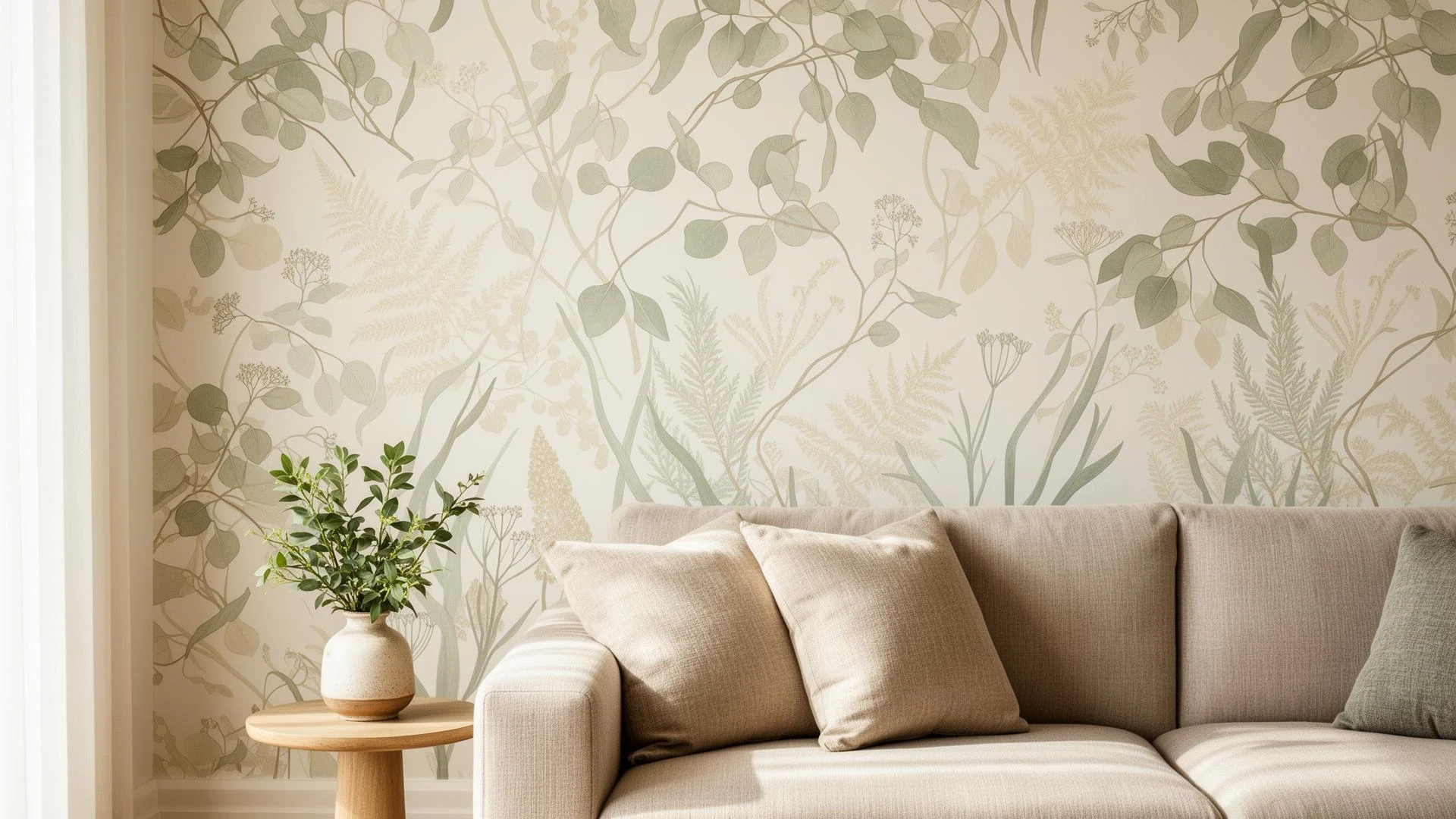
- Eucalyptus prints in soft greens — fresh and airy
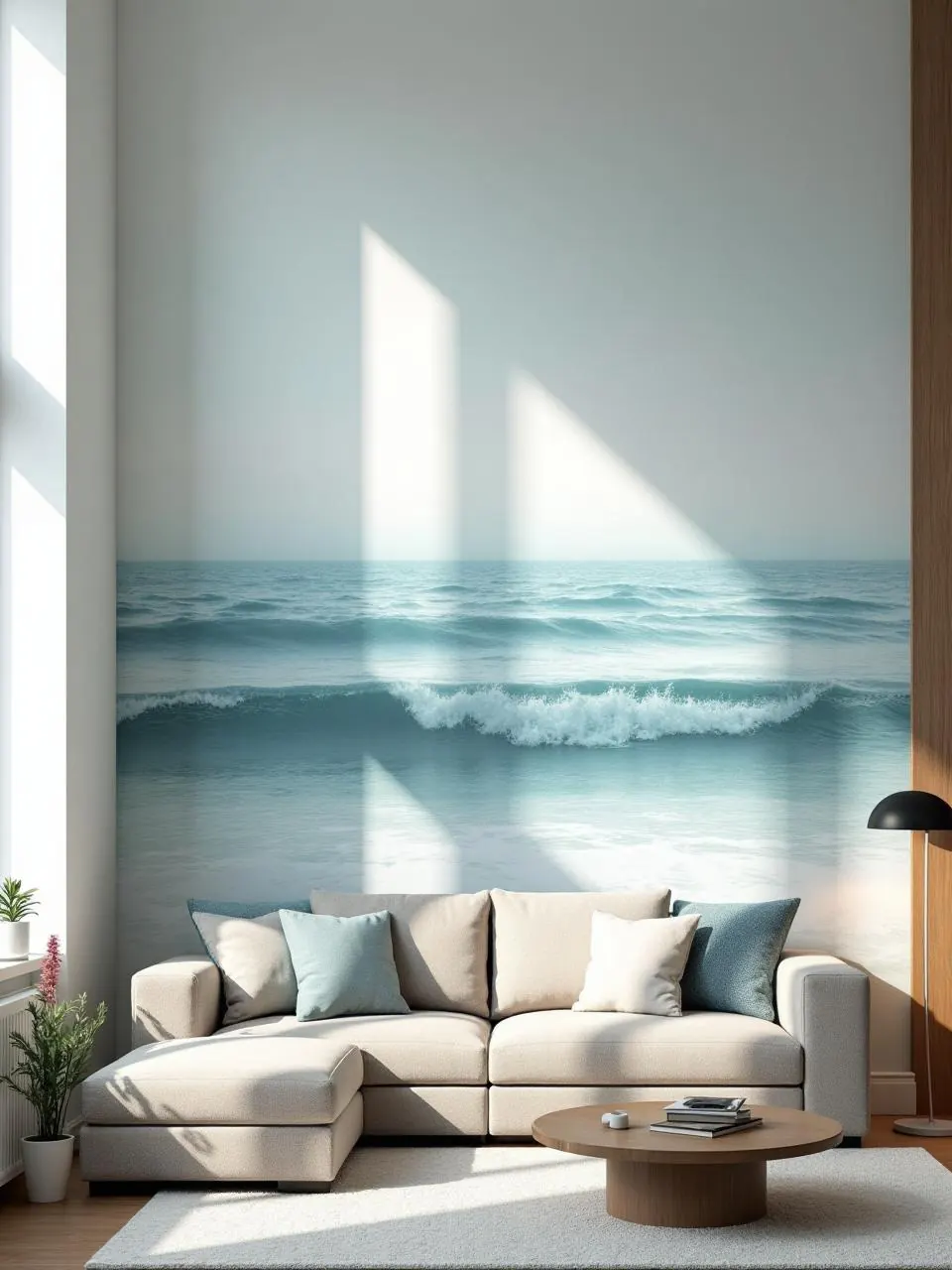
- Coastal textures in sandy neutrals — beachy without being kitsch
- Terrazzo patterns in warm tones — modern and spacious-feeling
- Abstract watercolours in pastels — artistic and open
The Final Word
Small spaces are actually the best places to experiment with wallpaper. The commitment is smaller (less material, less cost), the impact is proportionally greater, and if you change your mind, peel and stick makes it easy to switch things up.
Start with one wall. See how it transforms the room. We bet you'll be back for more.
The Psychology of Pattern
Small doesn't have to mean plain. In fact, a bold pattern can distract from a room's compact dimensions by giving the eye something interesting to focus on.
Strategic Placement
The Fifth Wall: Wallpaper on the ceiling creates drama and draws the eye up, not to the limited floor space.
Behind Shelving: Creates depth without using wall space.
Inside Closets: Adds a surprise element and sense of luxury to often-overlooked spaces.
Lighting Matters
Maximise the impact of your wallpaper with:
- Natural light where possible
- Mirror placement to reflect light and pattern
- Warm artificial lighting to enhance colours
Explore Related Collections
Continue Reading
Wallpaper vs Paint: Which Is Right for You?
Guides • 8 min read
Peel and Stick Wallpaper vs Traditional: Which Is Right for Your Home?
Guides • 5 min read
Can You Use Wallpaper in Bathrooms? An Australian Guide to Moisture-Smart Walls
Guides • 7 min read
How much does wallpaper cost in Australia?
Guides • 8 min read