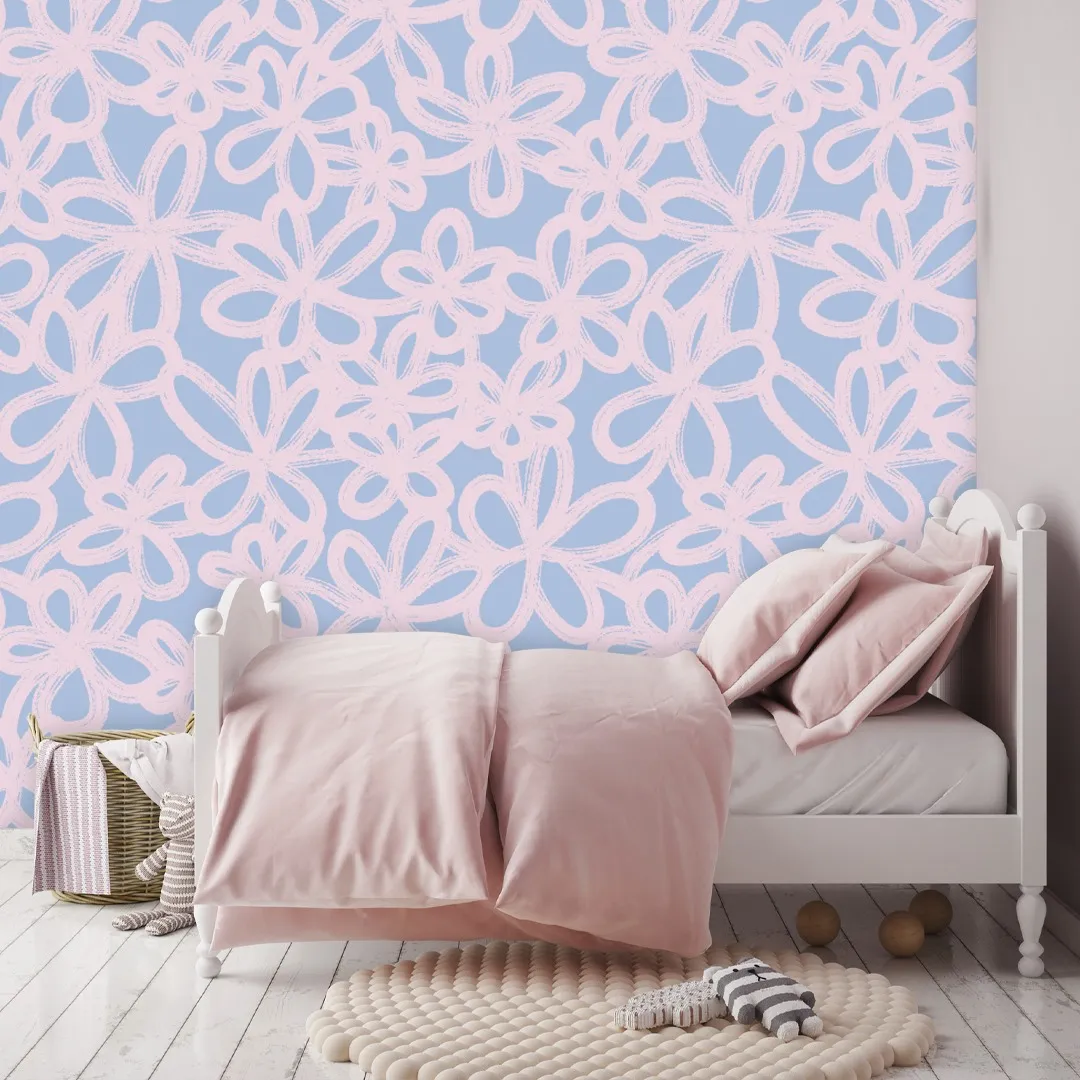
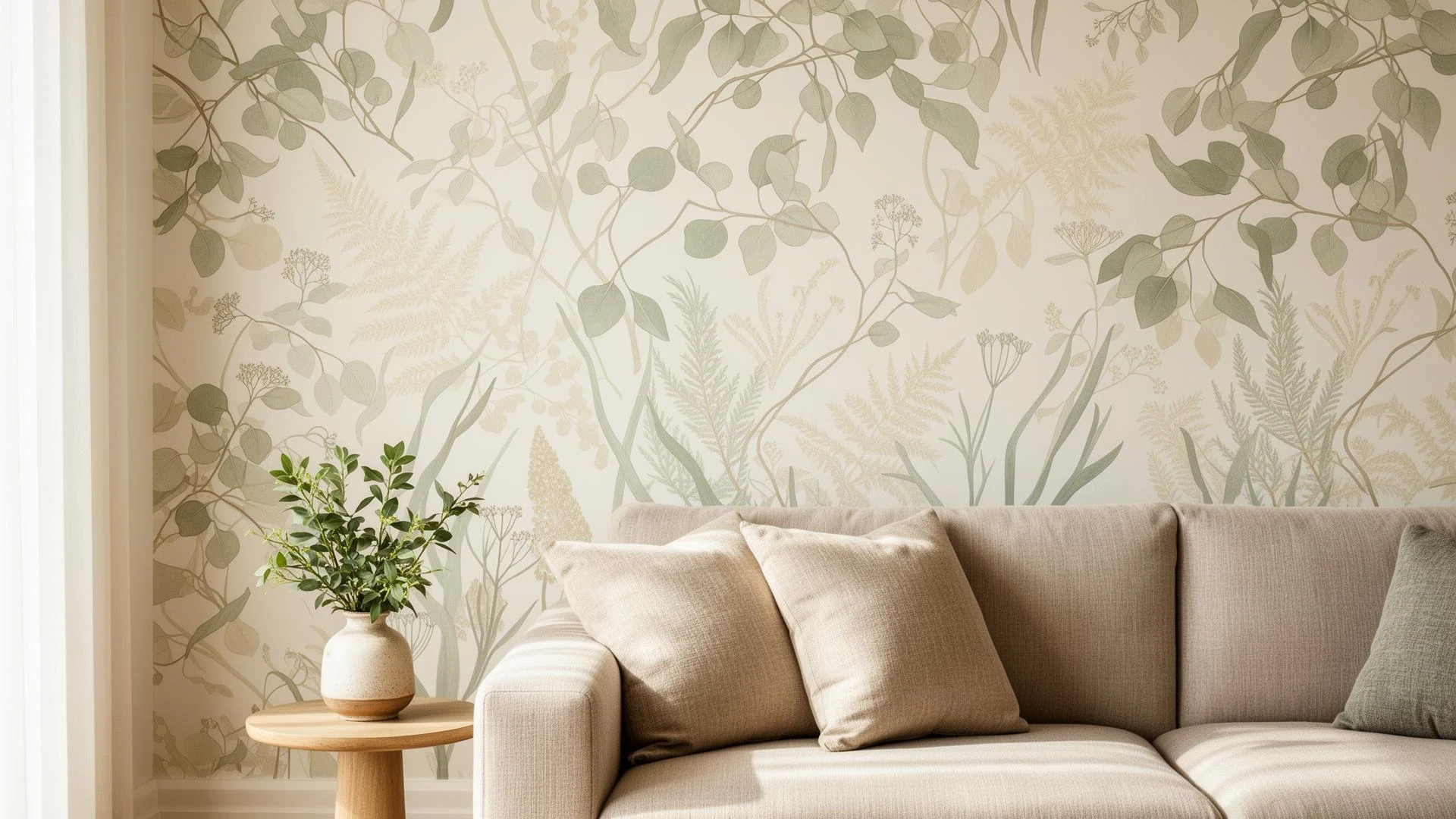
Wallpaper vs Paint: Which Is Right for You?
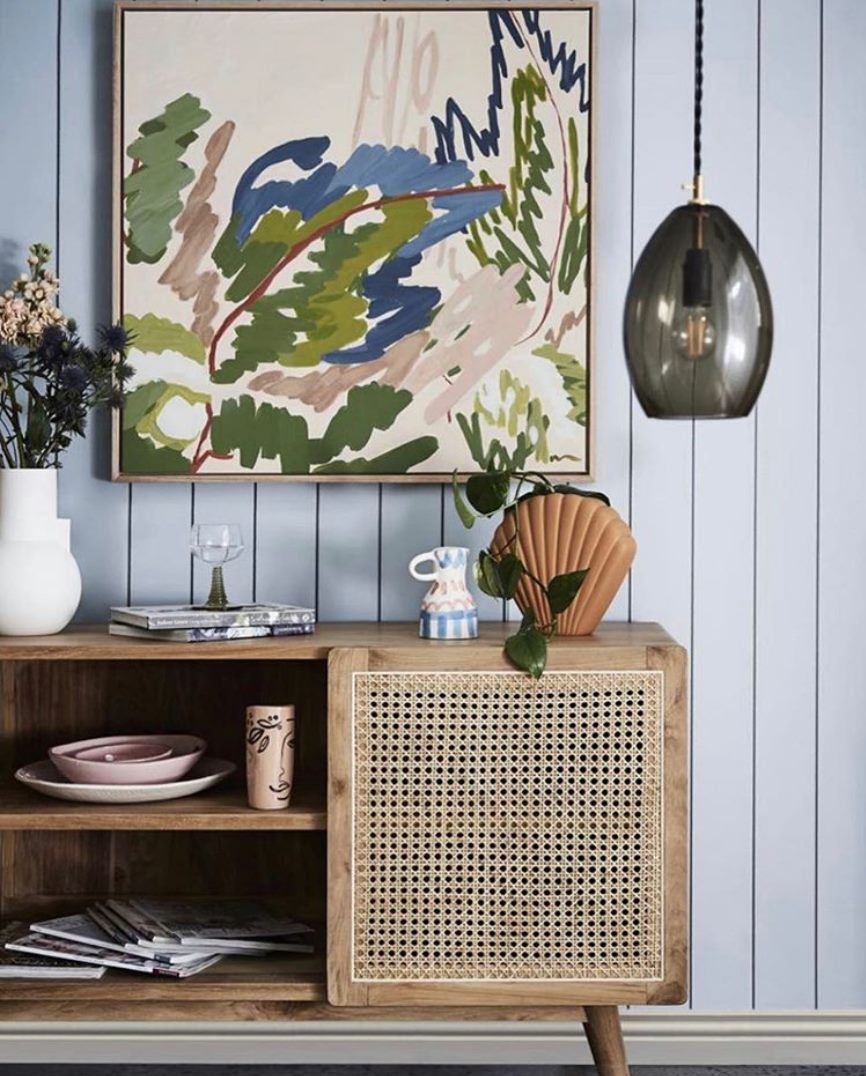
Wallpaper vs Paint: The Definitive Comparison
It's the question every homeowner faces: should I wallpaper or paint? Both have their place, and the right choice depends on your space, budget, lifestyle, and design goals. Let's break it down honestly.
Cost Comparison
Paint:
- Budget option: $50–$100 per room (DIY, single colour)
- Mid-range: $200–$500 per room (quality paint, feature wall)
- Professional: $500–$1,500 per room (painter + premium paint)
Wallpaper:
- Accent wall: $150–$400 (peel and stick, DIY)
- Full room: $400–$1,200 (peel and stick, DIY)
- Professional installation: Add $200–$600
The verdict: Paint wins on upfront cost for basic coverage. But wallpaper delivers dramatically more visual impact per dollar on feature walls.
Durability and Longevity
Paint:
- Needs repainting every 3–5 years in high-traffic areas
- Scuffs, marks, and fingerprints show easily
- Touch-ups can be colour-matched but often visible
- Prone to yellowing over time, especially in kitchens
Wallpaper:
- Quality wallpaper lasts 5–15+ years
- Many modern options are wipeable and scuff-resistant
- Peel and stick can be repositioned and replaced panel by panel
- Maintains colour and pattern integrity over time
The verdict: Wallpaper wins for longevity. A quality wallpaper outlasts multiple paint jobs.
Style and Design Impact
Paint:
- Unlimited colour options (custom mixing)
- Creates clean, uniform surfaces
- Accent walls with contrasting colours
- Limited to flat colour or basic texture effects (sponging, rag-rolling)
Wallpaper:
- Infinite pattern possibilities — florals, geometrics, murals, textures
- Creates instant visual interest and personality
- Can mimic expensive materials (marble, timber, concrete, fabric)
- Transforms a room in ways paint simply cannot
The verdict: Wallpaper wins decisively. No amount of clever painting matches the design depth of wallpaper.
Installation and DIY Factor
Paint:
- Accessible to most DIYers
- Requires prep (taping, drop sheets, priming)
- Messy and time-consuming (multiple coats)
- Drying time between coats (24–48 hours total)
Peel and Stick Wallpaper:
- Straightforward DIY process
- Minimal prep (clean wall, measure, apply)
- Repositionable — mistakes are fixable
- Complete an accent wall in 2–3 hours
- No mess, no drying time
The verdict: Peel and stick wallpaper is actually easier than painting for accent walls. Full room painting is faster than full room wallpapering.
Renter Friendliness
Paint:
- Most leases require repainting to original colour when you leave
- Cost of repainting can eat into your bond
- Limited to neutral tones in many rental agreements
Peel and Stick Wallpaper:
- Removes cleanly without wall damage
- No repainting needed
- Express your style freely without risking your bond
- Take it with you when you move
The verdict: Wallpaper wins for renters — it's practically designed for rental living.
Maintenance and Cleaning
Paint:
- Flat/matte finishes stain easily and are hard to clean
- Semi-gloss and gloss finishes are wipeable but show imperfections
- Touch-ups require keeping leftover paint (which dries out)
Wallpaper:
- Most modern wallpapers are wipeable
- Vinyl and coated options resist moisture and stains
- Individual panels can be replaced if damaged
- No leftover materials to store
The verdict: Tie — both have wipeable options, but wallpaper's panel replacement gives it a slight edge.
Environmental Considerations
Paint:
- VOCs (volatile organic compounds) affect air quality
- Low-VOC options available but often at premium cost
- Leftover paint disposal is an environmental concern
- Frequent repainting increases lifetime environmental impact
Wallpaper:
- Modern peel and stick uses water-based inks
- PVC-free options widely available
- Print-on-demand reduces waste
- Longer lifespan means less material consumption
The verdict: Both have eco-friendly options. Wallpaper's longevity gives it a sustainability edge.
When to Choose Paint
- Covering entire homes on a tight budget
- Rooms requiring frequent colour changes (children's bedrooms)
- Heavily textured walls (brick, rough plaster)
- Exterior surfaces
- When you want a perfectly uniform, solid colour
When to Choose Wallpaper
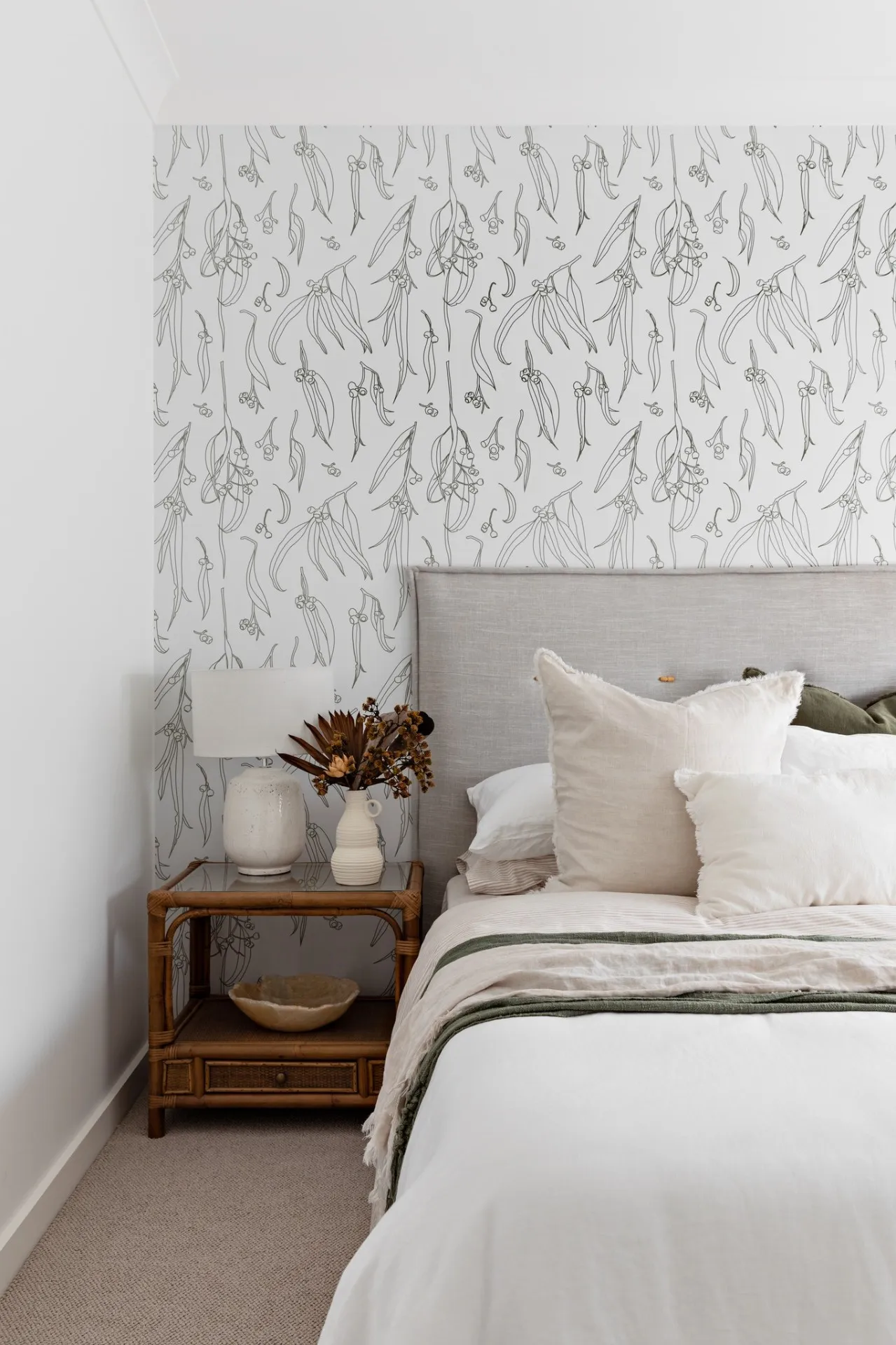
- Creating a statement or feature wall
- Adding personality and pattern to a space
- Rental properties (peel and stick)
- Hiding minor wall imperfections
- Achieving a designer look on a budget
- Rooms where you want lasting impact (living rooms, bedrooms, dining rooms)
The Best of Both Worlds
Here's a secret: you don't have to choose one or the other. The most stunning interiors combine both:
- Paint three walls, wallpaper the fourth as a feature
- Use textured wallpaper that reads like a painted finish from a distance
- Wallpaper above a chair rail, paint below (or vice versa)
- Wallpaper the ceiling, paint the walls for unexpected drama
Our Honest Recommendation
For most Australian homes, the winning formula is paint for the basics, wallpaper for the magic. Use quality paint in a warm neutral for your base, then let wallpaper bring personality, texture, and story to your key spaces.
And with peel and stick wallpaper, there's zero risk. If you don't love it, peel it off. No damage, no drama. That's a guarantee paint can't offer.
Frequently Asked Questions
Explore Related Collections
Continue Reading
Peel and Stick Wallpaper vs Traditional: Which Is Right for Your Home?
Guides • 5 min read
How to Choose Wallpaper for Small Spaces: The Ultimate Guide
Guides • 7 min read
Can You Use Wallpaper in Bathrooms? An Australian Guide to Moisture-Smart Walls
Guides • 7 min read
How much does wallpaper cost in Australia?
Guides • 8 min read